Author: Shenchao TechFlow
On November 18, Pierre, a member of the privacy research direction at the Ethereum Foundation's official ecosystem portal, officially announced the establishment of the Ethereum Stealth Addresses working group, bringing together multiple cryptography and engineering teams to jointly tackle the underlying standards for Ethereum private transfers ERC-5564 and the challenges of hardware wallet integration.
According to the working group's official website, the core initiating and participating organizations include the Ethereum Foundation, the ScopeLift core development team behind the Umbra protocol, the stealth address wallet Fluidkey, and the hardware cold wallet manufacturer Trezor. The team will hold a regular working meeting every two weeks, focusing on advancing four core engineering goals.
Hybrid Post-Quantum Security and Finalization of the ERC-5564 Specification
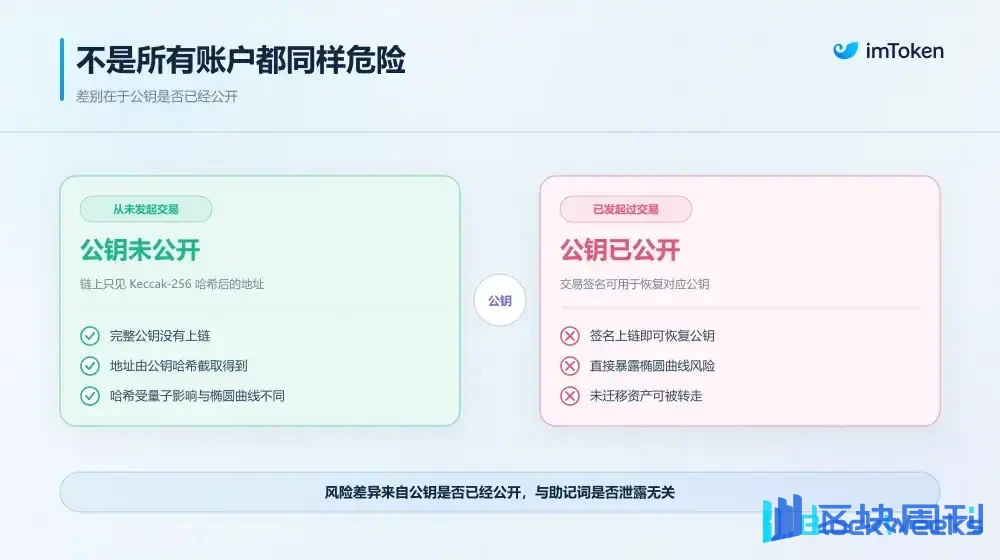
At the cryptographic underlying upgrade level, the working group proposes adopting a hybrid ML-KEM (lattice-based key encapsulation mechanism) scheme to upgrade the current ERC-5564 stealth address standard. This scheme deeply integrates classical elliptic curve cryptography with quantum-resistant lattice algorithms to defend against future quantum computing offline tracing attacks on historical on-chain transfer records.
At the same time, the working group is focusing on building an alternative production-grade reference codebase independent of existing implementations. According to the Ethereum Improvement Proposal (EIP) governance specifications, completing two fully independent client reference implementations and system-level code audits is the core prerequisite for advancing ERC-5564 to its formal Final status.
Mainnet Singleton Key Storage and Privacy Metadata Management
Addressing the pain point of fragmented meta-address registration that users face when using stealth addresses across applications, the working group plans to design a singleton key storage contract architecture (Singleton Key Registry) on the Ethereum mainnet. This contract will provide a unified on-chain privacy key registration and resolution specification for all compatible protocols within the ecosystem.
Through the mainnet singleton contract, users no longer need to repeatedly publish stealth meta-addresses in each decentralized application; they can complete the independent permission separation of spending keys and viewing keys, regular cryptographic rotation, and encrypted metadata indexing within a single standardized interface, significantly simplifying on-chain identity management.
Native Integration with Hardware Cold Wallets and Cold Signing Interaction
In the terminal key security segment, the working group is joining forces with hardware wallet manufacturer Trezor to advance firmware-level native integration of stealth address signing and key derivation logic, completely breaking the previous interaction limitation in which private transfers were highly dependent on browser hot wallets and local volatile scripts.
The two parties will formulate unified hardware wallet key derivation paths and viewing key export standards, enabling cold wallet devices to securely compute shared keys, scan on-chain stealth transfer events, and complete transaction signing while offline, achieving a high level of fund privacy protection without exposing the master private key.
Evolution Toward Default Privacy for Ethereum Accounts and Engineering Milestones
In the process of the Ethereum base-layer account system evolving toward account abstraction and privacy by default, ERC-5564 provides a lightweight address isolation mechanism for non-custodial receiving that does not require the overhead of complex zero-knowledge proof circuits, effectively lowering the threshold for on-chain compliant privacy use by ordinary institutions and retail investors.
With the working group's biweekly technical meetings fully launched, the engineering team will advance according to the established roadmap: cross-auditing of the alternative reference codebase, testnet deployment of the mainnet singleton key storage contract, and joint debugging and standardization implementation of the hardware cold wallet firmware offline signing interface.