News Center

Global Payments Weekly | 2026 W45
 USDCHong Kong tokenized depositsCircleNigeria regulation





Global Payments Weekly | 2026 W45
This weekly covers global payments developments from November 2–8, 2026, centered on the divergence between stablecoin usage and outstanding supply: Circle's Q3 USDC on-chain transaction volume rose 49% year over year to $13.9 trillion, yet circulating supply was flat at quarter-end and reserve income fell 8%. Nigeria's central bank now requires dollar stablecoins to be issued through locally licensed entities, Hong Kong's HKMA upgraded EnsembleTX to 24/7 settlement, and Binance disclosed an incident affecting roughly $6.34 billion in assets. The report examines how issuers are shifting revenue models from reserve interest to payment network fees and offers action recommendations for traditional payment providers and crypto payment firms.
USDCHong Kong tokenized depositsCircleNigeria regulation2 hours ago
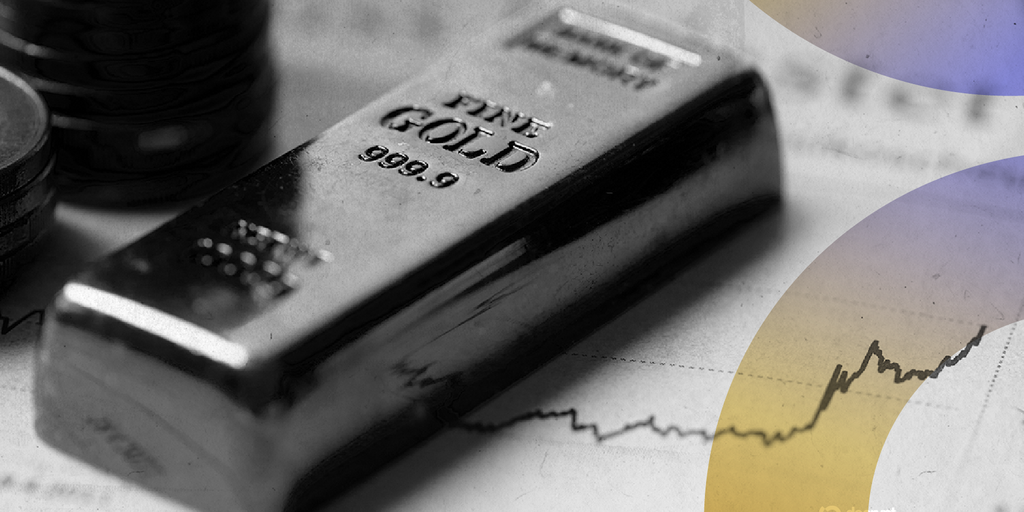
Tether Gold Passes Clean KPMG Audit, Confirming $2.2B in Physical Gold Backing
TG Commodities, the issuer of Tether Gold (XAUT), received an unqualified opinion from KPMG on its 2025 financial statements — the first full audit XAUT has completed. As of end-2025, the company held roughly 520,089 troy ounces of physical gold worth $2.246 billion, matching issued XAUT tokens one-to-one. KPMG physically counted each bar rather than relying solely on custodian confirmations. It is the second Tether stablecoin to complete a Big Four audit, after USDT issuer Tether International received a clean KPMG opinion in August.
 XAUTgold-backed stablecoinreserve transparencyTether Gold
2026-11-12

Tether Gold Gets First Big Four Audit After Five Years of Limited Disclosure
Tether Gold (XAUT) has completed its first Big Four audit, with KPMG US issuing an unqualified opinion on its 2025 financial statements, covering roughly $225 million in gold reserves. Auditors physically counted the bullion backing the token and cross-checked records. This marks the first Big Four audit for XAUT since its launch in January 2020—over five years—following only its first product-specific reserve attestation in April 2025. Tether says this makes it the second stablecoin to complete a Big Four audit, after Tether International in August. The article also notes past scrutiny of Tether's reserve disclosures, including a $41 million settlement with the CFTC in 2021.
XAUTstablecoin transparencyreserve attestationgold-backed token2026-11-12

Tron, Tether and Chainalysis Launch Task Force to Combat AI Crypto Scams
Tron, Tether and blockchain analytics firm Chainalysis have announced a new Digital Crime Task Force aimed at cracking down on illicit USDT activity on the Tron network. The three parties will identify suspicious wallets, share intelligence with law enforcement, and speed up the freezing of assets tied to criminal activity. The partnership succeeds the T3 alliance previously formed by Tron, Tether and TRM Labs. Chainalysis estimates that AI-driven scams generated 4.5 times more revenue per operation than other methods in 2025, while Tether says it has frozen more than $7 billion in assets linked to illegal activity worldwide.
 USDTDigital Crime Task ForceAI crypto scamsasset freeze
2026-11-12

Sui Hardware Wallet Suiball Shuts Down, Announces Refunds After Security Concerns
Suiball, a hardware wallet project in the Sui ecosystem, has announced it is shutting down and issuing refunds to pre-order customers. The Sui Foundation had decided to withdraw its support after deeming the project too risky from a security standpoint. Suiball had completed development and entered mass production, but was forced to halt just as the first batch of devices was about to ship. About 80% of pre-orders were placed on-chain, and those users will automatically receive USDC airdrop refunds within the next week; credit card buyers must provide a Sui wallet address. The shutdown stems from a delivery delay in October due to a security audit, as well as a recent string of attacks targeting hardware wallets.
 SUIsecurity concernsHardware WalletSui Foundation
2026-11-11
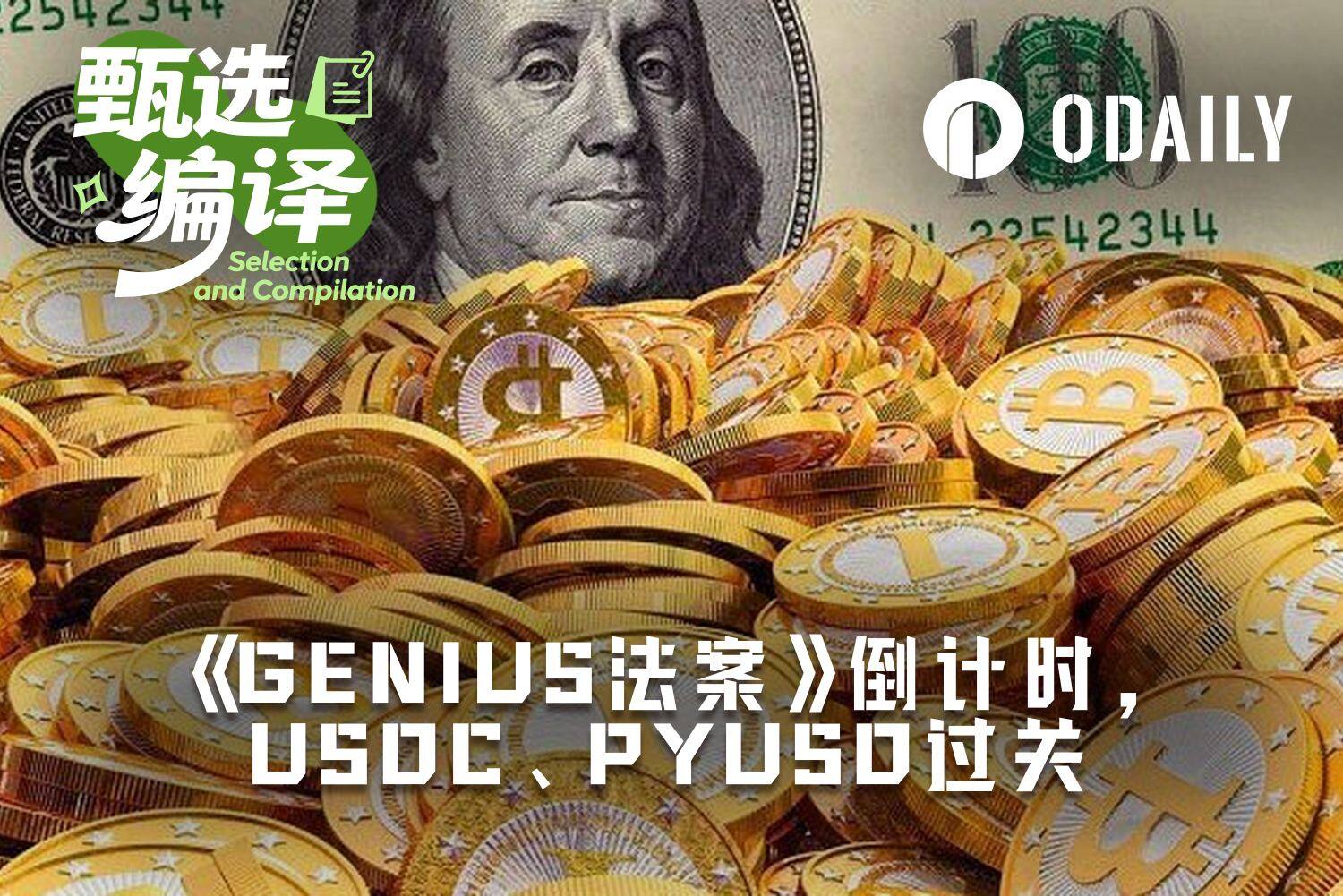
The GENIUS Act Countdown: Only USDC and PYUSD Make the Cut Among the Top Ten Dollar Stablecoins
A research note from the Bank Policy Institute (BPI) finds that the GENIUS Act, taking effect in January 2027, requires payment stablecoins to hold fully liquid, high-quality reserves. Of the top ten U.S. dollar stablecoins by circulation, only USDC and PYUSD currently meet the reserve requirements, together accounting for 26% of the market. Two others are expected to comply soon, adding 2%, while the remaining 72% fall short—65% of that from offshore issuers such as USDT and USDG, and 7% from crypto-collateralized coins like USDS, DAI, and USDe. The article details each stablecoin's reserve composition and past depegging incidents, stressing that compliance does not guarantee against depegging.
USDCGENIUS ActCrypto-Collateralized StablecoinsStablecoin Reserves2026-11-11
Goldman, Citi and Global Banks Commit $270 Million to Challenge Crypto's Stablecoin Giants
Goldman Sachs, Citi, Santander, Deutsche Bank and other global banks have jointly injected about $270 million into a dollar stablecoin project codenamed "Project Faro" to fund a US-registered company's operations over the next five years. Backed by 21 financial institutions, the initiative aims to launch a dollar stablecoin in the first half of 2027, followed by a euro version. Tether's USDT and Circle's USDC still hold roughly 85% of the stablecoin market, and the consortium aims to challenge the incumbents' dominance.
USDTGoldman SachsProject FaroTether2026-11-10

Inside a Visa Card Payment That Settles in USDC
This article breaks down a single Visa card payment into three separate stages: card authorization, institutional settlement, and merchant payout. In a U.S. pilot, Cross River Bank and Lead Bank settled with Visa in USDC over the Solana network; Lloyds moved $750,000 during a seven-day trial, with funds reaching Visa in under an hour, weekends included. Merchants, however, are still paid in dollars under their acquiring agreements—faster settlement only shortens the time banks tie up funds, not the merchant's payout date. Visa expanded the pilot to nine blockchains in April.
USDCStablecoin PaymentsUSDC settlementbank settlement2026-11-10
Circle Shifts USYC Fund Into Longer-Dated US Treasury Bills
Circle is moving the fund behind its USYC tokenized money market product away from overnight reverse repos and into longer-dated US Treasury bills of up to six months. The token, issuer, and USDC-based subscription and redemption process remain unchanged. USYC is still available to qualified institutional investors as collateral for derivatives trading. Circle acquired the product through its January 2025 purchase of Hashnote; the adjustment did not disclose a new weighted average maturity, yield, or the share of assets being shifted.
USDCHashnoteCircleUSYC2026-11-10

Solana Unveils 11 Startup Ideas Spanning AI and Payments
On November 9, Solana published 11 startup ideas covering housing futures, AI inference, stablecoin payments, tokenized collectibles, and prediction market tools. Submitted by ecosystem participants, each idea outlines a potential business and how Solana can support it, while directing teams to apply through the Solana Builder Program for grants, marketing support, and developer tools. Market-related products account for three of the ideas, with AI and consumer apps at two each. Grant amounts and build challenge launch dates have not yet been disclosed.
 SOLtokenized collectiblesStablecoin Paymentshousing futures
2026-11-09